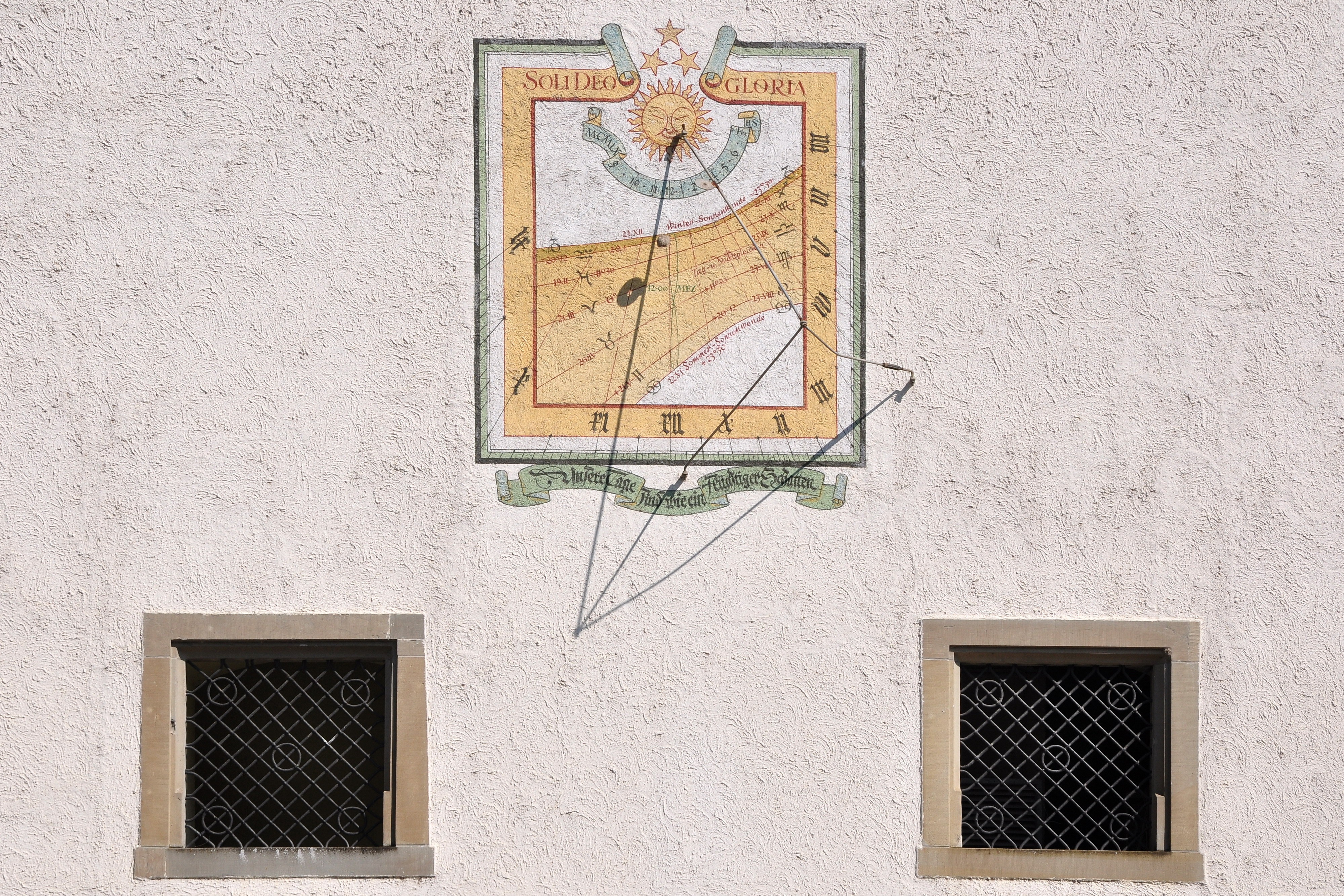
QUA HORA NON PUTATIS FILIUS HOMINIS VENIET
At the hour you do not reckon the Son of Man will come.


These lovely images by La FoeZ I found at Flickr:


Damna tamen celeres reparant caelestia lunae; Nos ubi decidimus, Quo pater Aeneas, quo dives Tullus et Ancus, Pulvis et umbra sumus.
The moons, however, quickly repair their heavenly losses; when we have fallen to where Father Aeneas fell, and wealthy Tullus and Ancus, we are dust and shadow.(Aeneas is the Trojan hero who founded the Roman people; Tullus Hostilius and Ancus Marcius were the third and fourth kings of Rome.)


Non commune est, quod natura optimum fecit? Sol omnibus lucet. Luna innumerabilibus comitata sideribus etiam feras ducit ad pabulum. Quid aquis dici formosius potest? In publico tamen manant.
Is Nature's best work not common to all? The sun shines for everyone. The moon accompanied by countless stars leads even wild beasts to their food. What can be said to be more beautiful than the water? Yet it flows for our common use.


Now neither [of us] lives unto himself, alas!Here is Cowley's English rendering of those lines (cited by Eden):
And the good suns we see, that flash and pass
And perish; and the bell that knells them cries:
"Another gone: O when will ye arise?"
Nunc vivit necuter sibi, bonosque
soles effugere atque abire sentit,
qui nobis pereunt et inputantur.
Quisquam vivere cum sciat, moratur?
Now to himself, alas! does neither liveYou can see the same inscription on the famous astronomical clock of Exeter Cathedral. The motto is discussed in Eden expanded edition of Gatty's Book of Sun Dials, with a long list of other examples.
But sees good suns of which we are to give
A strict account, set, and doth march away:
Knows a man how to live, and does he stay?