Thursday, February 14, 2013

Latin Proverbs and Fables Round-Up: February 14

Here is a round-up of today's proverbs and fables - and for previous posts, check out the Bestiaria Latina Blog archives. If you have not downloaded a free PDF copy of Brevissima: 1001 Tiny Latin Poems, it's ready and waiting! Meanwhile, I'm slowly but surely adding poster images and English translations over at the Brevissima blog.

HODIE (Roman Calendar): ante diem sextum decimum Kalendas Martias.

MYTHS and LEGENDS: The art image for today's legend shows The Head of Medusa; you can also see the legends for the current week listed together here.


TODAY'S MOTTOES and PROVERBS:

TINY PROVERBS: Today's tiny proverb is: Esto vigilans (English: Be watchful).

3-WORD MOTTOES: Today's 3-word verb-less motto is Secundis dubiisque rectus (English: In prosperity and uncertainty, upright).

ANIMAL PROVERBS: Today's animal proverb is Fele absente, mures choreas ducunt (English: When the cat is away, the mice dance).

POLYDORUS: Today's proverb from Polydorus is: Leges bonae ex malis moribus procreantur (English: Good laws are born of bad habits).

PROPER NAME PROVERBS: Today's proper name proverb from Erasmus is Harmodii cantilena (English: The song of Harmodius; from Adagia 2.10.93 - this refers to something utterly sad, such as Aristogeiton sang upon the death of his lover Harmodius, before he, too, died in the famous assassination attempt on the tyrants Hippias and Hipparchus).

GREEK PROVERBS: Today's proverb is Τέφραν φεύγων, εἰς ἀνθρακιὰν ἔπεσον (English: Fleeing the ashes, I fell into the coals).

BREVISSIMA: The distich poster for today is Tolle Moras. Click here for a full-sized view; the poem has a vocabulary list and an English translation, too.


And here is today's proverbial lolcat:


TODAY'S FABLES AND SONGS:

MILLE FABULAE: The fable from the Mille Fabulae et Una widget is Leo et Equus, the story of how the horse outsmarted the old lion.

FABULAE FACILES
: The fable from the Fabulae Faciles widget is Simia et Gemelli Eius, the story of how the mother monkey treats her twins (this fable has a vocabulary list).


GreekLOLz - and Latin and English, too. Below is one of my GreekLOLz; for the individual Greek, Latin and English versions of the graphic, see the blog post: Ἄλλων ἰατρὸς αὐτὸς ἕλκεσι βρύων. Aliis mederis, ipse plenus ulcerum. You are doctoring others but you yourself are swollen with sores. This one is inspired by an Aesop's fable!


Tuesday, February 12, 2013

Latin Proverbs and Fables Round-Up: February 12

Here is a round-up of today's proverbs and fables - and for previous posts, check out the Bestiaria Latina Blog archives. You can keep up with the latest posts by using the RSS feed, or you might prefer to subscribe by email.

HODIE (Roman Calendar): pridie Idus Februarias.

MYTHS and LEGENDS: The art image for today's legend shows The Sacrifice of Polyxena; you can also see the legends for the current week listed together here.


TODAY'S MOTTOES and PROVERBS:

TINY MOTTOES: Today's tiny motto is: Suaviter, fortiter (English: Gently and boldly).

3-WORD PROVERBS: Today's 3-word verb-less proverb is Sua cuique hora (English: To each his own time)

AUDIO PROVERBS: Today's audio Latin proverb is Canes timidi vehementius latrant quam mordent (English: Timid dogs bark more fiercely than they bite). To read a brief essay about this proverb and to listen to the audio, visit the Latin Via Proverbs blog.

PUBLILIUS SYRUS: Today's proverb from Publilius Syrus is: Bis interimitur, qui suis armis perit (English: Someone who dies by his own weapons dies twice over).

ERASMUS' ANIMALS: Today's animal proverb from Erasmus is Non missura cutem, nisi plena cruoris hirudo (English: The leech won't let go of your skin until it's full of blood; from Adagia 2.4.84).

BREVISSIMA: The distich poster for today is Sat Cito, Si Sat Bene. Click here for a full-sized view; the poem has a vocabulary list and an English translation, too.


And here is today's proverbial lolcat:


TODAY'S FABLES AND SONGS:

FABULAE FACILES: The fable from the Fabulae Faciles widget is Mus in Cista Natus, a great story about expanding your horizons (this fable has a vocabulary list).

MILLE FABULAE: The fable from the Mille Fabulae et Una widget is Monedula Liberata, a story about the hazards of freedom.

Monedula (Graculus) Liberata

Greek Bible Art - and Latin and English, too. Below is one of my Greek Bible Art graphics; for the individual Greek, Latin and English versions of the graphic, see the blog post: The verse reads κατελείφθη μόνος Νωε. Remansit autem solus Noë. Noah only remained alive.


Sunday, February 10, 2013

Latin Proverbs and Fables Round-Up: February 10

Here is a round-up of today's proverbs and fables - and for previous posts, check out the Bestiaria Latina Blog archives. In addition to a free PDF copy of Brevissima: 1001 Tiny Latin Poems, you can also get a free PDF copy of Mille Fabulae et Una: 1001 Aesop's Fables in Latin. If you prefer the heft of a book in your hand, you can get the books in printed form from Lulu.com.

HODIE (Roman Calendar): ante diem quartum Idus Februarias.

MYTHS and LEGENDS: The art image for today's legend shows Bucephalus and Alexander; you can also see the legends for the current week listed together here.


TODAY'S MOTTOES and PROVERBS:

3-WORD MOTTOES: Today's 3-word motto is Misceo iocis seria (English: I mix serious matters with joking ones).

3-WORD PROVERBS: Today's 3-word proverb is Patientia vincit omnia (English: Patience conquers all).

RHYMING PROVERBS: Today's proverb with rhyme is: Tempora transibunt et gaudia vana peribunt (English: This age will pass away, and empty pleasures will perish).

VULGATE VERSES: Today's verse is Dominus dedit; Dominus abstulit (Job 1:21). For a translation, check out the polyglot Bible, in English, Hebrew, Latin and Greek, at the Sacred Texts Archive online.

ELIZABETHAN PROVERBS: Here is today's proverb commentary, this time by Taverner: Nosce teipsum: Knowe thy selfe. Plato ascribeth this divine sentente unto Apollo. But whose sayenge so ever it was, certes it is both true and godley, and worthy of Christen men to be continuallie borne in minde.

BREVISSIMA: The distich poster for today is Cede Potenti. Click here for a full-sized view; the poem has a vocabulary list and an English translation, too.


And here is today's proverbial lolcat:


TODAY'S FABLES AND SONGS:

MILLE FABULAE: The fable from the Mille Fabulae et Una widget is Gallus et Gemma, the story of a rooster who is either a fool or very sensible... depending on how you look at things.

FABULAE FACILES
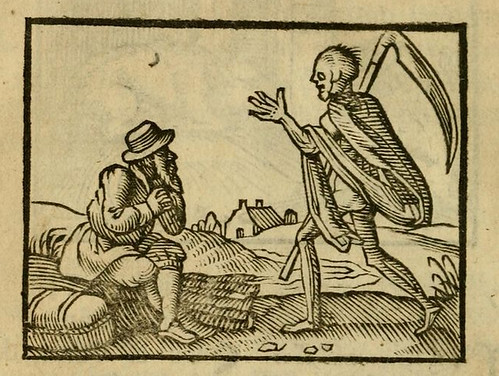
: The fable from the Fabulae Faciles widget is Mors et Pauper, the story of a woman who thought he wanted to die (this fable has a vocabulary list).

Senex et Mors

GreekLOLz - and Latin and English, too. Below is one of my GreekLOLz; for the Latin and English versions of the graphic, see the blog post: Αἰεὶ τὰ πέρυσι βελτίω. Semper anteriora meliora. Always the things of yesteryear are best.


Saturday, February 9, 2013

Special Edition: GreekLOLz Animated

I can't believe I didn't think of this earlier, but of course it is easy to take the Greek, Latin, and English proverb images and turn them into animated gifs! (For those of you interested in such things, I used the GIMP - just open each image file as a layer, then export as an animated gif, with a default number of milliseconds for each frame when prompted in the export process.) So, here is the proverb I had included in yesterday's post done as animated gif:


And for those of you who enjoy the widgets, of course there is a new widget! You can get the script and additional information about the widget over at the Schoolhouse Widgets blog.

Isn't the weekend great? I love the weekend! Time for all kinds of digital fun and games! :-)


Friday, February 8, 2013

Latin Proverbs and Fables Round-Up: February 8

Here is a round-up of today's proverbs and fables - and for previous posts, check out the Bestiaria Latina Blog archives. If you have not downloaded a free PDF copy of Brevissima: 1001 Tiny Latin Poems, it's ready and waiting! Meanwhile, I'm slowly but surely adding poster images and English translations over at the Brevissima blog.

HODIE (Roman Calendar): ante diem sextum Idus Februarias.

MYTHS and LEGENDS: The art image for today's legend shows The Abduction of Persephone; you can also see the legends for the current week listed together here.


TODAY'S MOTTOES and PROVERBS:

TINY PROVERBS: Today's tiny proverb is: Lucernam olet (English: It stinks of the lamp - in other words, you've "been burning the midnight oil," and your work is not likely to be at its best).

3-WORD MOTTOES: Today's 3-word verb-less motto is Post mala prudentior (English: Wiser after misfortune).

ANIMAL PROVERBS: Today's animal proverb is Vivis piscibus aqua, mortuis vinum (English: Water for the living fish, and wine for the dead ones).

POLYDORUS: Today's proverb from Polydorus is: Nulla dies sit sine linea (English: No day without a line - I always consider this one to be the blogger's motto).

PROPER NAME PROVERBS: Today's proper name proverb from Erasmus is Porro a Iove atque fulmine (English: Far from Jupiter, and from his lightning bolt; from Adagia 1.3.96).

GREEK PROVERBS: Today's proverb is Κυνί δίδως ἄχυρα, ὄνῳ δ' ὀστέα (English: You're giving bran to the dog and bones to the donkey ... kind of like mixing apples and oranges - but worse!).

BREVISSIMA: The distich poster for today is Pro Tempore Cede. Click here for a full-sized view; the poem has a vocabulary list and an English translation, too.


And here is today's proverbial lolcat:


TODAY'S FABLES AND SONGS:

FABULAE FACILES: The fable from the Fabulae Faciles widget is Ceres et Rusticus, a fable of unintended consequences (this fable has a vocabulary list).

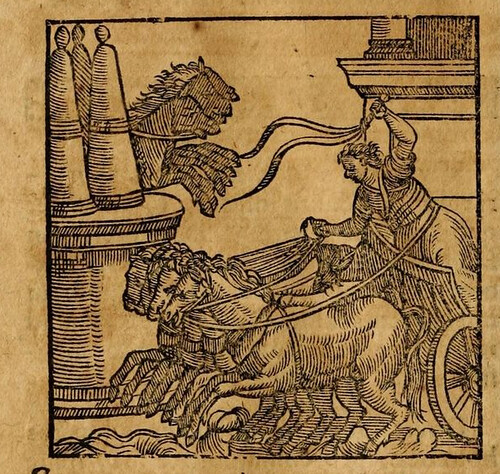
MILLE FABULAE: The fable from the Mille Fabulae et Una widget is Musca et Quadrigae, the story of a boastful fly.

Musca et Quadrigae

GreekLOLz - and Latin and English, too. Below is one of my GreekLOLz; for the Latin and English versions of the graphic, see the blog post: Ἀεὶ γὰρ εὖ πίπτουσιν οἱ Διὸς κύβοι. Semper Iovis feliciter tali cadunt. Zeus is always lucky at dice.


Thursday, February 7, 2013

Sundial: UMBRA SUMUS

This is a sundial in a building on Brick Lane in London. The building is now a mosque, but originally it was a chapel (La Neuve Eglise) built by the Huguenots in 1743. In 1809 it became a Wesleyan chapel, and then a Methodist chapel in 1819. In 1891 it became a Jewish synagogue (Spitalfields Great Synagogue) serving Eastern European refugees. In 1975 the synagogue was relocated to Golders Green, and in 1976 the building was reopened as a mosque (Brick Lane Jamme Masjid) serving the local Bangladeshi community. What a procession of faiths!

The sundial is dated 1743 and so belongs to the original building. It has the motto UMBRA SUMUS, "we are a shadow." The words come from an ode of Horace (4.7). You can read the entire poem in Latin and English online. The stanza in question poses a lovely contrast between the moon's renewal and our own mortality:
Damna tamen celeres reparant caelestia lunae; Nos ubi decidimus, Quo pater Aeneas, quo dives Tullus et Ancus, Pulvis et umbra sumus.
The moons, however, quickly repair their heavenly losses; when we have fallen to where Father Aeneas fell, and wealthy Tullus and Ancus, we are dust and shadow.
(Aeneas is the Trojan hero who founded the Roman people; Tullus Hostilius and Ancus Marcius were the third and fourth kings of Rome.)

Photo by Paula Bailey at Flickr:


You can see the placement of the sundial here in this photo by Russianhouse at Wikimedia Commons: